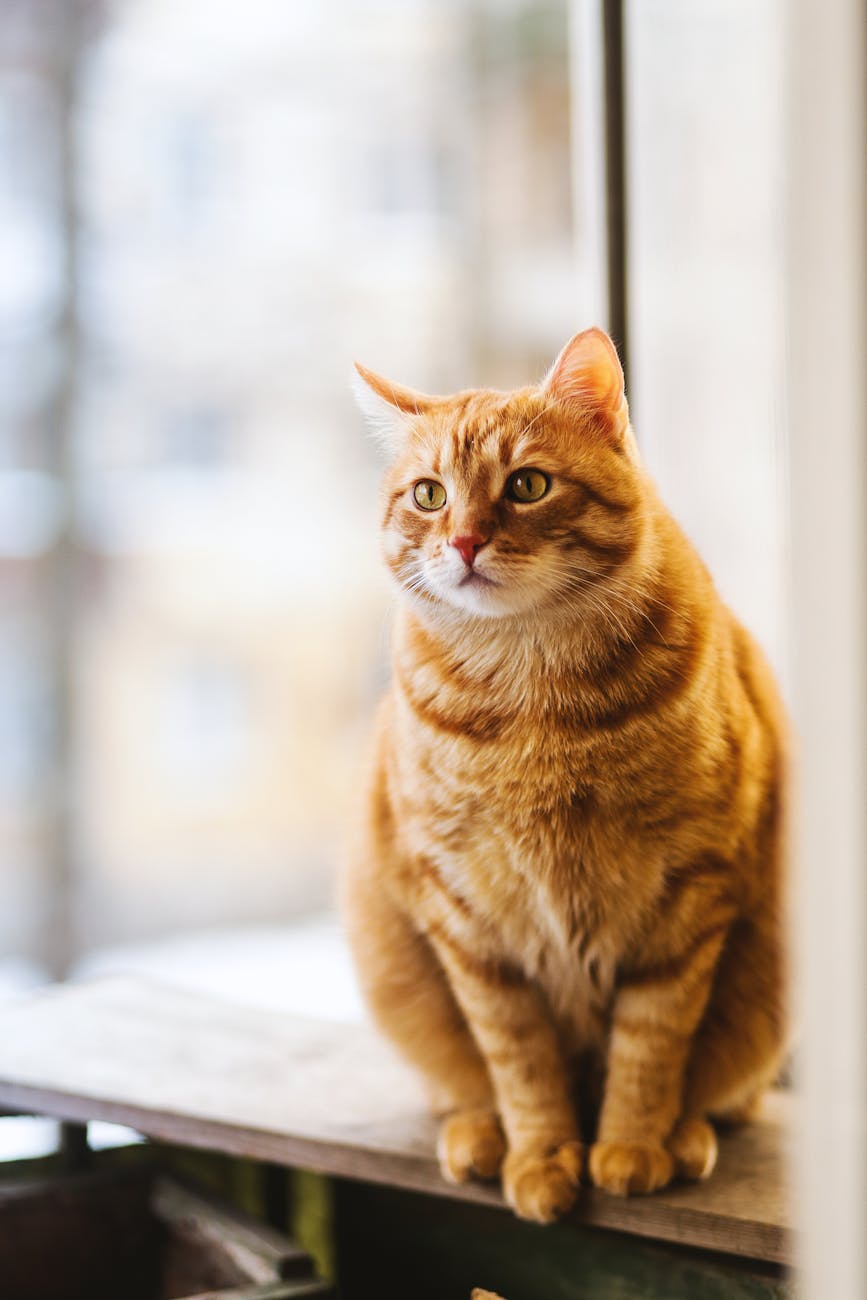
Source: DAFM. From 1st February 2020, anyone who sells or supplies pet animals must comply with a number of new requirements, under the Animal Health and Welfare (Sale or Supply of Pet Regulations) 2019.
These include:
- anyone selling or supplying six or more pet animals in a year must register with the Department of Agriculture, Food and the Marine. The registration form is here: Pet Sales Application for Registration (doc 135Kb)
- The registration requirement does not apply to persons or organisations to whom the Dog Breeding Establishments Act 2010 applies, or a local authority or a facility run by or on behalf of a local authority;
- anyone selling or supplying six or more pet animals in a year must maintain certain records regarding pet animals kept for sale or supply;
- anyone advertising a pet animal for sale or supply must include certain information in the ad, including the microchip number in the case of dogs;
- the new regulations prohibit the sale or supply of pet animals under certain specified minimum ages.
An information note on the new regulations is here: Information Note(pdf 252Kb)
Voluntary Code of Practice for Sellers or Suppliers of Pet Animals
The Department is also issuing a voluntary Code of practice for sellers or suppliers of pet animals. The Code contains guidelines on animal welfare and also addresses public health concerns, for example the need for good hygiene when handling animals, and the potential risk to the health of children associated with contact with reptiles. The code of practice can be found here: Code of Practice (pdf 450Kb)
In summary, the Voluntary Code of Practice for Sellers and Suppliers of pet animals establishes a set of standards to ensure the welfare and health of animals in pet sales, with specific guidelines for different species to follow legal requirements, prevent disease, and provide suitable care and information for customers and staff.
The Code of Practice provides specific guidelines and regulations for the care and sale of different species of pet animals. Here’s a summary of the key points for each species:
All Pet Animals:
- The premises where animals are sold or supplied should be clean, well-maintained, and have proper waste disposal facilities.
- There should be a relationship with a Private Veterinary Practitioner.
- Animals should have appropriate accommodation and diet suitable for their species.
- They must be protected from pain, suffering, injury, disease, and the elements.
- Sick animals should be isolated.
- The age at which animals are sold should adhere to legal requirements.
- Dead animals should be appropriately disposed of.
Dogs and Cats:
- Dogs and cats must not be displayed or sold until they are at least 8 weeks old.
- Dogs must be microchipped and vaccinated.
- Cats must be vaccinated against feline viral respiratory diseases.
- Clean water must be available at all times.
- Kennel temperature should be a minimum of 18°C.
- Floors must be lined with absorbent material, and bedding areas should be kept clean and dry.
- Cats should have access to litter trays.
Small Mammals (Rabbits, Guinea Pigs, Rats, Mice, Gerbils, Hamsters):
- They should not be held in isolation.
- Animals should be acclimatized before being offered for sale.
- Stress should be minimized, and handling should be minimal, especially for reptiles.
- Sick or injured animals should be referred to a veterinary practitioner.
- Care should be taken with new equipment.
Reptiles and Amphibians:
- Ventilation should be appropriate to the species.
- Lighting and heating must be species-specific.
- Suitable substrate and decor should be provided.
- Reptiles should not be kept in houses with children under 5 years.
Birds:
- Birds should be kept in a separate part of the premises with extraction fan systems.
- The handling of birds should be minimized.
- Only staff with specialized knowledge should handle birds.
- Pinioning of wings is unacceptable.
- Suitable information on care and feeding should be provided to customers.
- Information on health risks and zoonoses should be provided to customers and staff.
Fish:
- Suitable water conditions must be maintained.
- Filtration and heating equipment must be appropriate.
- Proper care should be taken to prevent the spread of disease.
- Fish nets should be disinfected daily.
- Equipment should be regularly checked.
View the full Voluntary Code of Practice for Sellers and Suppliers of Pet Animals.
S.I. No. 681/2019 – Animal Health and Welfare (Sale or Supply of Pet Animals) Regulations 2019
These Regulations provide for registration of sellers and suppliers of pet animals, registration of premises used in connection with the sale or supply of pet animals, the advertisement of pet animals for sale or supply, and the maintenance of records relating to the sale or supply of pet animals.