

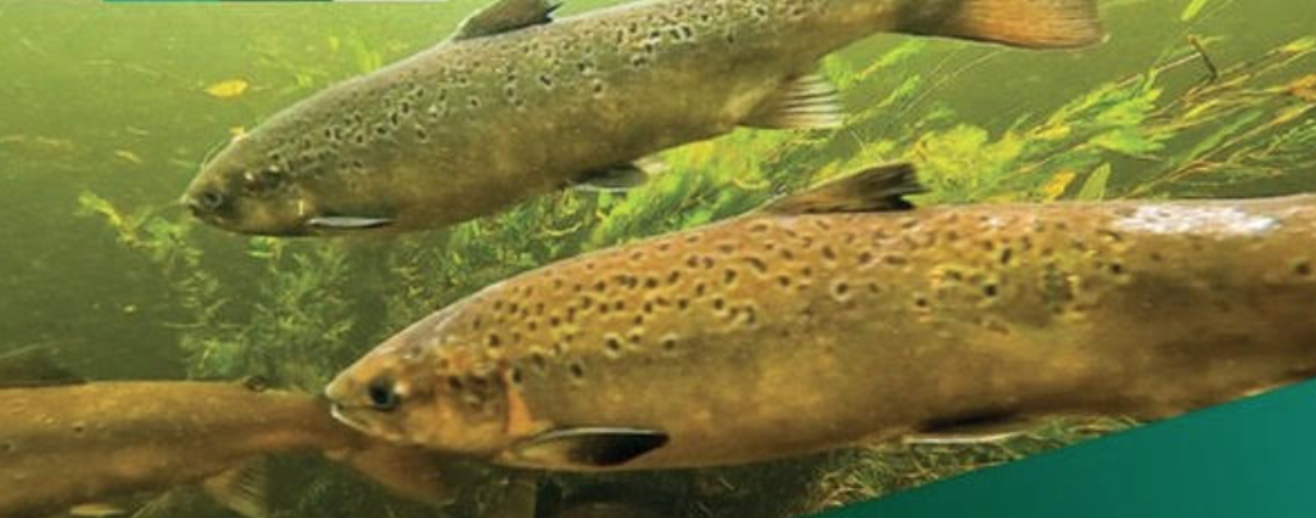
The Department of Climate, Energy and the Environment has launched a public consultation on the draft Wild Salmon and Sea Trout Tagging Scheme (Amendment) Regulations 2025, along with proposed conservation measures for the 2026 fishing season. Consultation responses can be sent by email (see below for more information) or by post.
Deadline
The consultation period runs until 5:30pm on 20 December 2025.
Making a Submission
Submissions should be sent by email to IFDPublicConsultations@dcee.gov.ie or post to:
Wild Salmon and Sea Trout Tagging Scheme (Amendment) Regulations 2025
Inland Fisheries Section
Department of the Climate, Energy and the Environment
Elm House
Earlsvale Road
Cavan Town
H12 A8H7
Ireland
Background
Wild salmon and sea trout populations in Ireland have experienced declines in recent decades due to a combination of factors, including habitat degradation, water-quality issues, overfishing, and climate-related pressures. The proposed regulations aim to support the long-term sustainability of these species through updated management and conservation measures.
Key Proposals in the Draft Regulations
- The regulations introduce a revised tagging scheme for wild salmon and sea trout, administered by Inland Fisheries Ireland (IFI) starting 1 January 2026.
- Conservation measures will be applied on a river-specific basis, reflecting the status of individual salmon and sea trout stocks.
- Measures may include catch quotas, seasonal restrictions, catch-and-release rules, or full river closures depending on scientific advice and stock assessments.
- Emphasis is placed on protecting multi-sea-winter (MSW) salmon, which are critical for spawning and maintaining population levels.
- Management decisions will be informed by the best available scientific evidence.
Proposed Changes and Implications
The 2025 draft regulations represent a significant update to salmon and sea trout management, with a focus on river-specific conservation. Key proposed measures include:
- River-specific harvest limits and seasonal restrictions based on stock assessments.
- Mandatory catch-and-release periods in early seasons to protect vulnerable spring salmon populations.
- Seasonal bag limits for rivers with harvestable surplus stocks.
- Enhanced protection for multi-sea-winter salmon to support population sustainability.
- Measures informed by scientific advice, aligning with international best practices for migratory fish conservation.
Objectives and Expected Outcomes
The primary objective of these regulations is to maintain and restore healthy salmon and sea trout populations. By tailoring conservation measures to the status of individual rivers, the Department aims to ensure sustainable fishing opportunities while protecting vulnerable stocks. Successful implementation is expected to contribute to:
- Improved ecological stability and biodiversity in river ecosystems.
- Long-term viability of salmon and sea trout populations.
- Continued recreational angling opportunities under sustainable management.
- Encouragement of broader environmental improvements, including water-quality management and habitat restoration.
Consultation Process
The Department has invited stakeholders, including anglers, landowners, conservation groups, and members of the public, to submit feedback on the draft regulations. Submissions can be made by email or post, with the consultation closing at 5:30pm on 20 December 2025. Detailed information and consultation documents are available on the Department’s website.
Conclusion
The draft Wild Salmon and Sea Trout Tagging Scheme (Amendment) Regulations 2025 and associated conservation measures for 2026 represent a science-based, river-specific approach to fisheries management. If implemented effectively, these measures aim to support the long-term sustainability of wild salmon and sea trout populations in Ireland. Public engagement in the consultation process is a key component of ensuring that management decisions are informed by both scientific evidence and stakeholder input.
For further information, the consultation documents are available here: Department of Climate, Energy and the Environment.
